Introduction to Server Resource Management
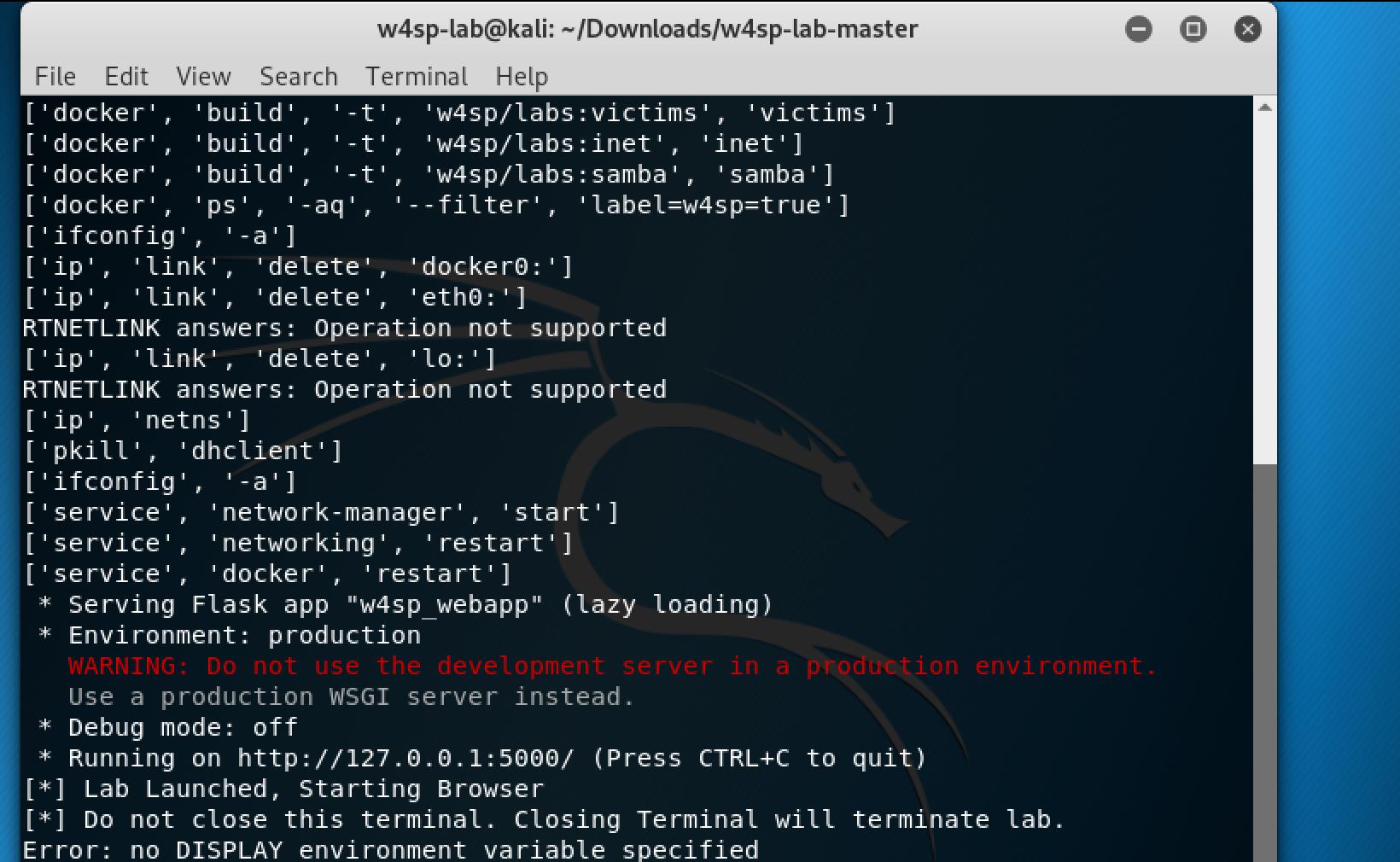
In the constantly evolving world of web technology, server resource management remains a cornerstone of efficient and reliable web service delivery. As websites receive traffic, the underlying web server requires a robust system to handle requests without compromising on performance. This article explores an aspect of such systems through the lens of a component mysteriously referred to as ‘whatsborrowed’.
Decoding ‘whatsborrowed’
At first glance, the term ‘whatsborrowed’ may seem cryptic. In the context of web servers, particularly those that run on Python environments like WSGI (Web Server Gateway Interface), it refers to internal mechanisms used to manage web applications and resources efficiently.
Anatomy of a Web Server Request
| Component | Description |
|---|---|
| DOCUMENT_ROOT | The root directory of the web server where resources are located. |
| CGI/WSGI Interface | The set of rules that defines how the web server communicates with web applications. |
| HTTP Headers | Various headers that carry information about the request and response. |
| PATH_INFO | The specific path that the request is trying to access. |
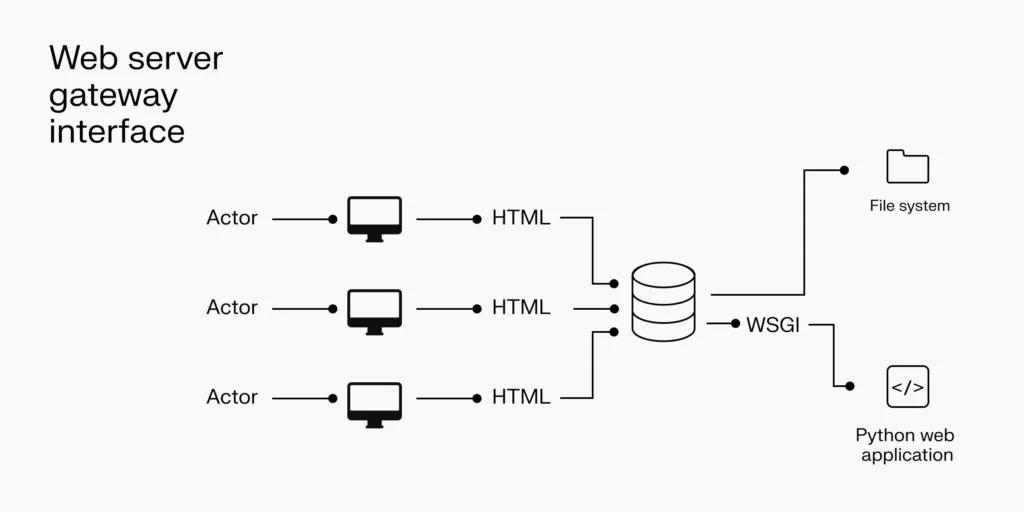
Understanding the components of a web server request is essential to grasp the purpose and functionality of server-based scripts and functions like ‘whatsborrowed’.
WSGIServer and dispatch_request Function
The WSGIServer object is a crucial element in a WSGI-compliant web server, tasked with handling incoming requests and delegating them further. It uses the dispatch_request function to map the incoming request to the suitable web application endpoint.
Environ: The Environment Dictionary
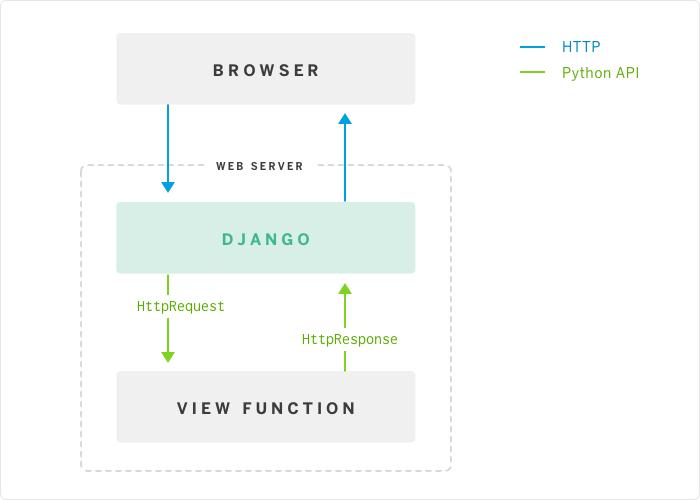
The environ dictionary is a fundamental structure within WSGI servers that contains environment variables, which are key to processing requests. These variables provide context and parameters necessary for the web application to understand and act upon each individual request.
Implications for Modern Web Technologies
As web applications grow more complex, the need for efficient resource management and server capabilities escalates. Functions like ‘whatsborrowed’ represent the ongoing effort to optimize server interactions and resource utilization, ensuring that web servers can handle high loads and deliver content quickly and reliably.
Conclusion: The Bigger Picture in Web Hosting
Managing web server resources effectively is integral to the broader context of web hosting. Whether for personal blogs or high-traffic e-commerce sites, the performance of web servers directly influences user experience. While ‘whatsborrowed’ serves its purpose within server management, picking the right hosting solution, be it shared, VPS, or dedicated servers, is vital for travel websites and their users seeking a smooth and fast online experience, akin to the comfort and efficiency found in a well-managed hotel.
- Shared Hosting: Ideal for small to medium-sized travel blogs with moderate traffic.
- VPS Hosting: Offers more power and flexibility for growing travel platforms.
- Dedicated Hosting: Best for large travel agencies requiring robust and secure hosting solutions.